Vision
To be a leading institute of health education whose graduates transform the quality of health and care in the communities they serve.
About KIHPS
Pakistan faces a serious shortage of trained nurses. KIHPS was founded to help close that gap with nurses and allied health professionals who are skilled, competent and qualified.
Our purpose
A nation's progress depends on the health of its people.
KIHPS offers BS Nursing, nursing and midwifery diplomas, and Federal Board HSSC and DAE programmes, for students from every background.
We believe a country's progress depends on the health of its citizens, and that well-educated nurses do more than anyone to promote and protect that health. Our teaching is built on scientific principles that link theory to practice, so graduates are ready for the challenges of real wards.
We also care about the whole student: intellectual, cultural and spiritual growth and a full programme of co-curricular activities, so our graduates leave as confident agents of change in their communities.
Why it matters
Our communities face health challenges that skilled nurses and allied health workers are trained to answer.
Families need trained carers who can spot it early and teach good nutrition.
Anaemic mothers and high maternal mortality call for skilled nursing care.
Premature, underweight and stunted births need attentive, trained hands.
Awareness of hygiene and family planning starts with health workers.
To be a leading institute of health education whose graduates transform the quality of health and care in the communities they serve.
To provide a comprehensive, student-centered learning environment that equips nursing and allied health students with the knowledge, clinical skills and professional competencies to excel in their professions. We foster academic excellence, ethical and compassionate practice, research and lifelong learning, so that our graduates deliver safe, quality care to individuals, families and communities.
Every skill is taught on sound scientific principles, from theory to bedside.
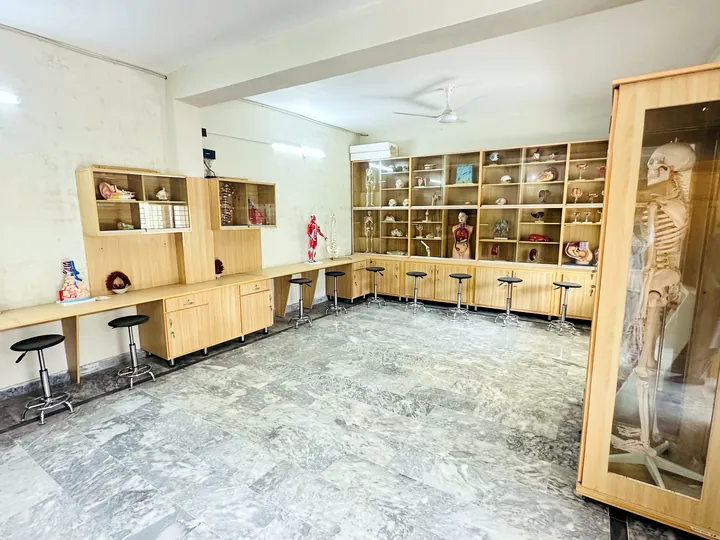
Students rehearse procedures in the skills lab before they touch a patient.
Intellectual, cultural and spiritual growth alongside the curriculum.
Our philosophy
Every person is a unique being with physical, psychological, social and spiritual needs, who deserves dignity and respect regardless of religion, ethnicity, gender or socioeconomic status.
A dynamic state of physical, mental, social and spiritual well-being, not merely the absence of disease. Every person has the right to quality health care.
Family, community and the wider social, cultural and physical surroundings shape health, so care must respond to the context of Pakistan's communities.
Caring, evidence-based professions that promote health, prevent illness, restore health and support people at the end of life, guided by the PN&MC code of ethics.
A lifelong process that joins theory, skills lab practice and supervised clinical experience, building critical thinking, clinical judgement, communication and leadership.
Students are adult learners responsible for their own learning, who learn best through active participation, reflection and feedback.
Faculty are facilitators, role models and mentors who create a supportive, respectful learning environment and keep their knowledge current.
Core values
Striving for the highest standards in education, research and practice.
Upholding ethical principles and fostering trust in all interactions.
Valuing diversity and treating every individual with dignity.
Promoting empathy and understanding in health care delivery.
Teamwork among students, faculty, health care partners and the community.
Institutional objectives
Deliver nursing and allied health programmes that meet the standards of PN&MC, Health Services Academy (HSA) and HEC.
Produce graduates who integrate theory with safe, evidence-based clinical practice.
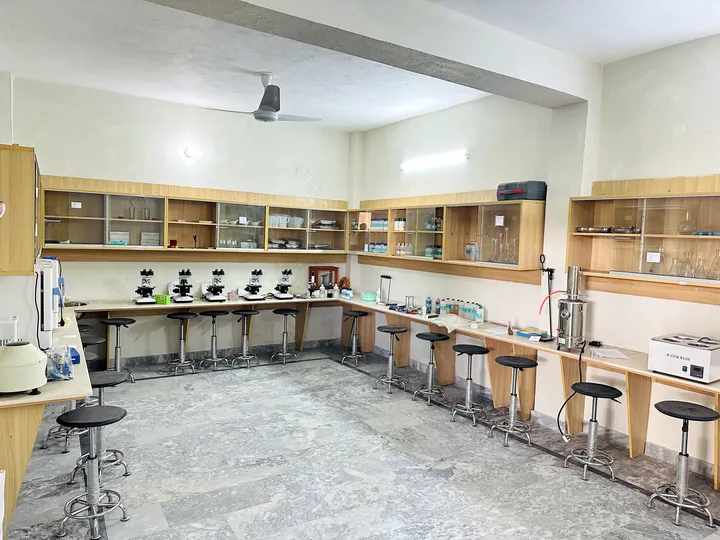
Provide well-equipped skills laboratories and supervised clinical training in recognised hospitals.
Develop students' critical thinking, communication, leadership and professional values.
Instil ethical conduct, cultural sensitivity and compassion in the care of patients and families.
Promote research and evidence-based practice among faculty and students.
Support continuous professional development of faculty through workshops, training and higher studies.
Engage with communities through health education, screening and outreach activities.
Ensure quality through regular review of curricula, teaching, assessment and student feedback.
Foster lifelong learning so that graduates keep pace with advances in health care.

Recognised & affiliatedCouncils, boards and partners behind KIHPS.
 PN&MCNursing & midwifery
 HSAHealth Services Academy
 PIMSPakistan Institute of Medical Sciences
 FBISEHSSC & DAE
 ICT-PEIRARegistered
BS Nursing, nursing and midwifery diplomas, HSSC and DAE. Check eligibility, pay the form fee and apply online in one sitting.